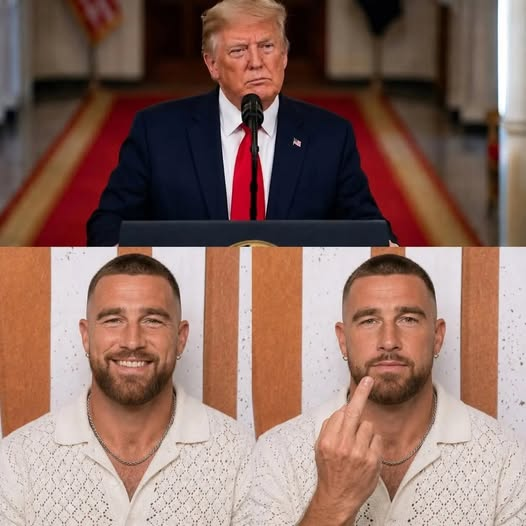
In the world of modern media, a single moment can completely change the way people see a public figure. A few words spoken on television, a carefully presented argument, or a surprising challenge to a familiar narrative can create a conversation that spreads far beyond the original broadcast. In an era where every clip can be shared instantly and every statement can become a national debate, the collision between celebrity, politics, and public perception has become one of the most powerful forces in American culture. Few public figures understand this reality better than Donald Trump, whose career has always been closely connected to the way he presents himself to the world. For decades, Trump has built a public identity around confidence, success, intelligence, and achievement. His supporters view that confidence as one of his defining strengths, while his critics have repeatedly questioned and examined the claims that have helped shape his public image. That ongoing debate over reputation, credibility, and perception is what makes any challenge to that image so attention-grabbing.
A television discussion that focuses on a powerful public figure’s own statements, history, and public claims naturally creates intense interest because it touches on something much larger than politics alone. It becomes a conversation about how people build identities, how reputations are protected, and how the public decides what information deserves trust. When someone famous enters that conversation, especially someone from the world of sports or entertainment, the reaction becomes even stronger because audiences are not only listening to the argument — they are also reacting to the person delivering it. A familiar face from a different world suddenly stepping into a political debate creates a unique kind of attention. It brings together audiences who might not normally follow the same conversations and turns a single discussion into something much bigger.
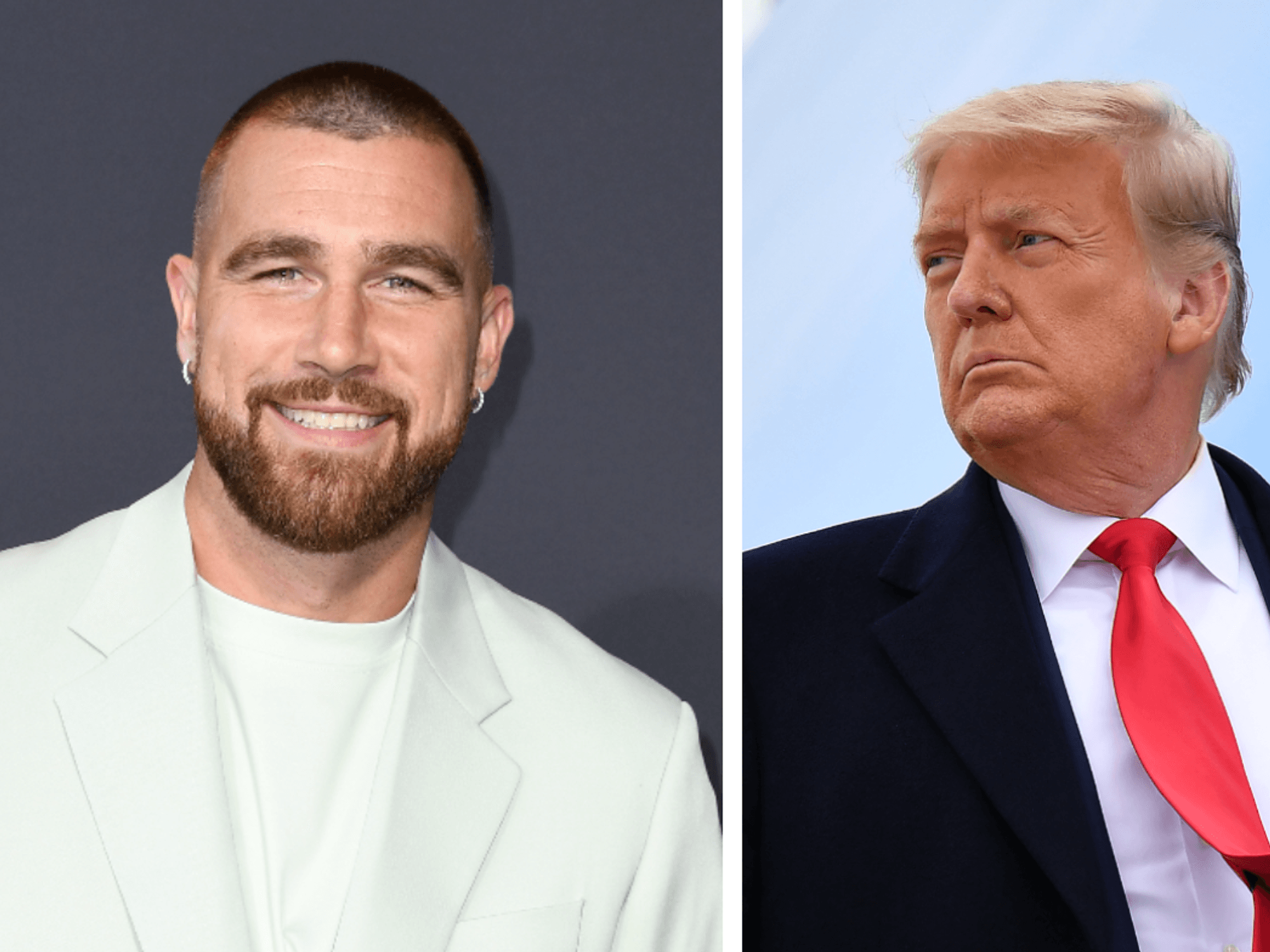
The reason these moments become so powerful is because public images are carefully created over many years. Every successful person develops a story about who they are. Athletes build identities around discipline, determination, and victory. Entertainers build identities around creativity and connection. Business leaders and politicians build identities around experience, intelligence, and leadership. But once a public image becomes established, it also becomes something that people examine, question, and challenge. Supporters may see a confident image as proof of ability. Critics may look for contradictions or unanswered questions. The same characteristic that one group admires can become the very thing another group analyzes.
That is why debates surrounding intelligence and achievement often become so emotional. People are naturally fascinated by the question of what truly makes someone successful. Is it education? Is it experience? Is it creativity? Is it decision-making ability? Is it confidence? Throughout history, society has struggled to define intelligence because success rarely comes from only one quality. Some people achieve greatness through academic knowledge. Others succeed because of innovation, determination, leadership, or the ability to understand people. The discussion becomes complicated because people are not only debating facts — they are debating values and beliefs about what success really means.
In the modern media landscape, these conversations move faster than ever before. A television segment that once would have reached only a specific audience can now appear across social media platforms within minutes. Short clips are replayed thousands or even millions of times. People analyze every sentence, every reaction, and every expression. Supporters share moments they believe strengthen their views, while critics share the same moments for completely different reasons. A single broadcast can become a battlefield of opinions, with each side interpreting the same event through a different perspective.
This is the unique power of viral moments. They are rarely remembered only because of what was said. They are remembered because of what they represent. They represent questions that already exist in society. They represent disagreements that have been building for years. They represent the constant struggle between public perception and public examination. When a familiar narrative is challenged, people pay attention because they are witnessing something that feels larger than the individuals involved.
The most effective challenges are often not the loudest ones. History has shown that calm, focused arguments can sometimes create a stronger impact than emotional confrontations. When someone chooses to focus on information, context, and reasoning instead of personal attacks, the conversation changes. The audience is forced to think about the substance of the discussion rather than simply reacting to the emotion surrounding it. In a world where outrage often dominates attention, moments of composure can stand out because they create a different kind of impact.
The involvement of celebrities and athletes in political conversations has always created debate. Some people believe public figures should avoid political discussions and focus only on their professional careers. Others argue that anyone with a public platform has the right to express opinions and participate in important conversations. This debate has existed for generations, from musicians speaking about social issues to athletes using their influence to highlight causes they care about. Whether people agree or disagree with their views, one thing remains certain: audiences listen.
That attention gives famous individuals enormous influence, but it also places them under intense scrutiny. Every statement can be praised by one group and criticized by another. Every public appearance can become a defining moment. The same platform that allows someone to reach millions of people also exposes them to millions of opinions. In that environment, how someone communicates can become just as important as what they communicate.
The larger lesson behind these moments is that public debates are rarely only about one person. They often reveal deeper questions about society itself. They reveal how people decide what is true. They reveal how strongly identity influences opinions. They reveal how much importance people place on confidence, evidence, experience, and reputation. A conversation about one public figure can quickly become a conversation about leadership, trust, and the way information is understood in the modern age.
That is why certain television moments remain memorable long after they happen. They become more than entertainment. They become part of a larger cultural discussion. They create arguments between people who see the world differently. They force audiences to examine their own beliefs. They remind everyone that in a society built on communication and debate, every public statement has the potential to create a much bigger reaction than anyone expected.
In the end, the most powerful moments are not always the ones with the loudest voices or the biggest headlines. Sometimes they are the moments that make people stop and think. They are the moments that challenge familiar ideas and encourage deeper conversations. They show that behind every public image is a complicated story, and behind every famous person is a reputation that will continue to be examined, questioned, and debated.
Because in today’s world, a few minutes on television can do far more than entertain.
It can challenge beliefs.
It can reshape conversations.
And it can remind millions of people that the stories we hear about powerful figures are always part of a much larger discussion about truth, perception, and the meaning of success.